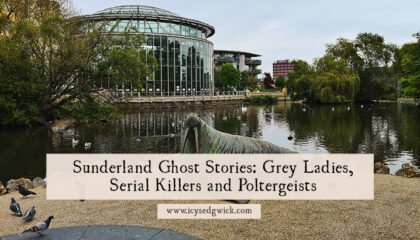
Sunderland began life as three separate settlements on the River Wear. While there is evidence of activity in the area long before, these settlements date to 674. King Ecgfrith of Northumbria granted land to Benedict Biscop, who founded Monkwearmouth Monastery in the area. Later, the Bishop of Durham gained these lands and they became Bishopwearmouth. […]
folklore
Rue Folklore: Warding off Poison, Plague and Pestilence
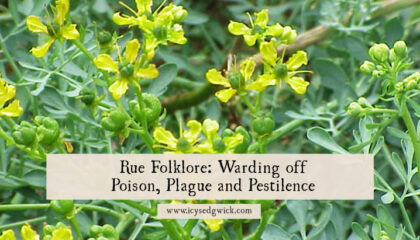
Rue was cultivated in England for its medicinal use, having been introduced by the Romans (Grieve 1995-2024). It’s more likely to be found in gardens in the British Isles, and is less likely to appear in the wild. In some ways, it’s fallen out of favour as a popular British plant. It’s also called the […]
St John’s Wort: The Folk Magic of the Midsummer Plant

One of the plants strongly associated with the summer solstice is St John’s Wort. It often flowers around Midsummer’s Day, or the Feast of St John, hence its strong links with St John. St John’s Wort, or Hypericum Perforatum, is considered a weed in many places. Its other names include ‘balm of the warrior’s wound’, […]
Lemon Balm Folklore: Sweet Smells & Folk Remedies
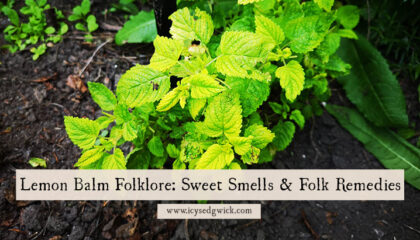
Lemon balm, or Melissa officinalis, is a member of the Lamiaceae family, along with mint, rosemary, marjoram, sage, basil, and lavender. Its popular name comes from the fact the leaves smell of lemon when crushed. Lemon balm is a perennial, growing across Europe, North America, and Asia. That gorgeous lemon smell certainly came in handy. […]
Poppy Folklore: The Symbol of Sleep, Death, War, and…Love?

It’s somewhat surprising that of all the plants I’ve featured on this blog, I’ve never quite made it to the humble poppy. Why surprising? Orange and yellow poppies fill my garden with joy every year, and I always look forward to them popping up. Not to mention the fact poppies have amassed a range of […]
Iris Folklore: Perfume, Remedies, and a Rainbow Goddess
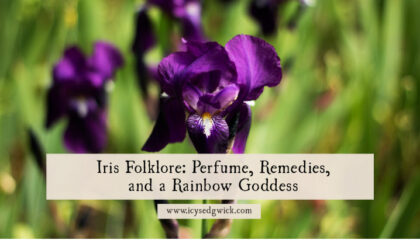
Depending on where you are in the world, you might be lucky enough to see the iris bloom before it fades for the year. Where I am, they finished in mid-May, but with the changing climate, that might vary for you. The iris is one of those instantly recognisable flowers, showy and bright with its […]